Recycled Water Regulations
Recycled water provides valuable benefits but it must be managed carefully to protect public health and the environment. Recycled water is regulated by multiple government agencies in South Australia. Each regulator plays a different role in ensuring that recycled water is managed safely to protect public health, the environment, and the integrity of infrastructure.
Below is an overview of the key regulators, their legislative responsibilities, and how Recycled Water Solutions (RWS) can support you to meet your recycled water compliance obligations.
Department for Health and Wellbeing
(SA Health / DHW)
Role & Legislation: Administers the SA Public Health Act 2011 and Wastewater Regulations 2013, ensuring health risks from wastewater and recycled water are managed effectively. Primary regulator for the safe supply and use of recycled water for Water Industry Entities.
Regulatory Requirements:
Wastewater Works Approval: Required for the installation, construction, or alteration of CWMS infrastructure.
Recycled Water Approvals: Suppliers and users must obtain approval to supply and/or use recycled water.
Risk Management Plans (RMPs): Mandatory for both suppliers and users, addressing treatment, monitoring, and controls. RMPs must be aligned with the Australian Guidelines for Water Recycling and identify hazards (e.g. pathogens, chemicals), assess risks, and detail control measures to ensure public health is protected.
Validation: Some treatment barriers may require an approved validation to prove their ability to reduces pathogens.
Monitoring: Ongoing verification monitoring is required to demonstrate treatment processes are effective and recycled water quality consistently meets guideline values.
Reporting: Annual reporting to DHW on scheme performance and incidents
Refer to SA Health's Recycled Water Management webpage for further details.
How can RWS help?
Preparing, updating and reviewing Risk Management Plans for recycled water suppliers or users
Represent or support Water Industry Entities to seek new or updated approvals.
Design monitoring programs and interpret water quality results.
Deliver operator training and practical tools to improve day-to-day scheme management.
Supporting irrigators to obtain recycled water use approvals, prepare RMPs, and advise on appropriate onsite controls.
Role & Legislation: Administers the Environment Protection Act 1993 (EP Act) - the principal legislation addressing pollution in South Australia, and Environment Protection (Water Quality) Policy 2003 (WQ Policy) – sets out obligations for managing wastewater to protect surface water and groundwater.
Regulatory Requirements:
General Duty – All recycled water irrigation must be managed so it does not cause pollution, contamination of soil or groundwater, or odour nuisance.
Discharges to land/water – It is an offence to allow wastewater to reach surface waters or groundwater in breach of the WQ Policy. Irrigation must be controlled in line with soil conditions, infiltration rates, and rainfall.
WIMPs – Where recycled water is irrigated to land, the EPA expects a Wastewater Irrigation Management Plan (WIMP) or equivalent management system to demonstrate compliance.
Integration with SA Health requirements – A WIMP may be developed alongside a SA Health Recycled Water Risk Management Plan (RMP), or the two plans can be combined to avoid duplication.
Refer to the SA EPA's Wastewater irrigation management plan (WIMP) drafting guideline for more information.
How can RWS help?
Assist councils and irrigators to determine whether a WIMP is required for their activities.
Develop practical, site-specific WIMPs that demonstrate compliance with the EPA’s general duty and the WQ Policy.
Integrate WIMP and RMP requirements into a single, streamlined plan to satisfy both EPA and SA Health expectations.
Role & Legislation: PIRSA regulates livestock health, food safety, and agricultural integrity in South Australia under the Livestock Act 1997. The Act provides the framework to protect livestock industries from diseases, contaminants, and risks that could affect animal health, food safety, or trade market access.
Regulatory Requirements:
Livestock Watering – Recycled water used for stock watering must meet livestock drinking water quality standards. Poor-quality water can introduce health risks to animals and jeopardise market access for meat, milk, or other products.
Fodder & Cropping – Recycled water applied to fodder or pasture must be managed to prevent contamination with pathogens or chemical residues that could impact livestock health.
Pathogen Risk (including helminths) – Recycled water may contain pathogens such as bacteria, viruses, protozoa, and helminths (intestinal worms). These can directly affect animal health and, in some cases, present risks to humans through the food chain. Controls must be in place to reduce this risk.
Risk Management Plans – Where recycled water intersects with animal production, PIRSA expects suppliers and irrigators to document risk assessments and demonstrate safe practices in alignment with national guidelines.
Refer to:
How can RWS help?
Review recycled water quality against livestock drinking water guidelines and provide advice on suitability.
Develop tailored Recycled Water Risk Management Plans (RMPs) to address PIRSA’s requirements under the Livestock Act 1997.
Identify pathogen risks — including helminths — and recommend treatment or management controls.
Role and Legislation
The Office of the Technical Regulator (OTR) oversees the technical and safety standards of licensed water industry entities under the Water Industry Act 2012.
Regulatory Requirements
Suppliers of recycled water require a water industry licence (issued by ESCOSA with OTR oversight).
Licensed entities must develop, maintain and periodically revise a Safety, Reliability, Maintenace and Technical Management Plans (SRMTMP) to demonstrate safe and reliable operation.
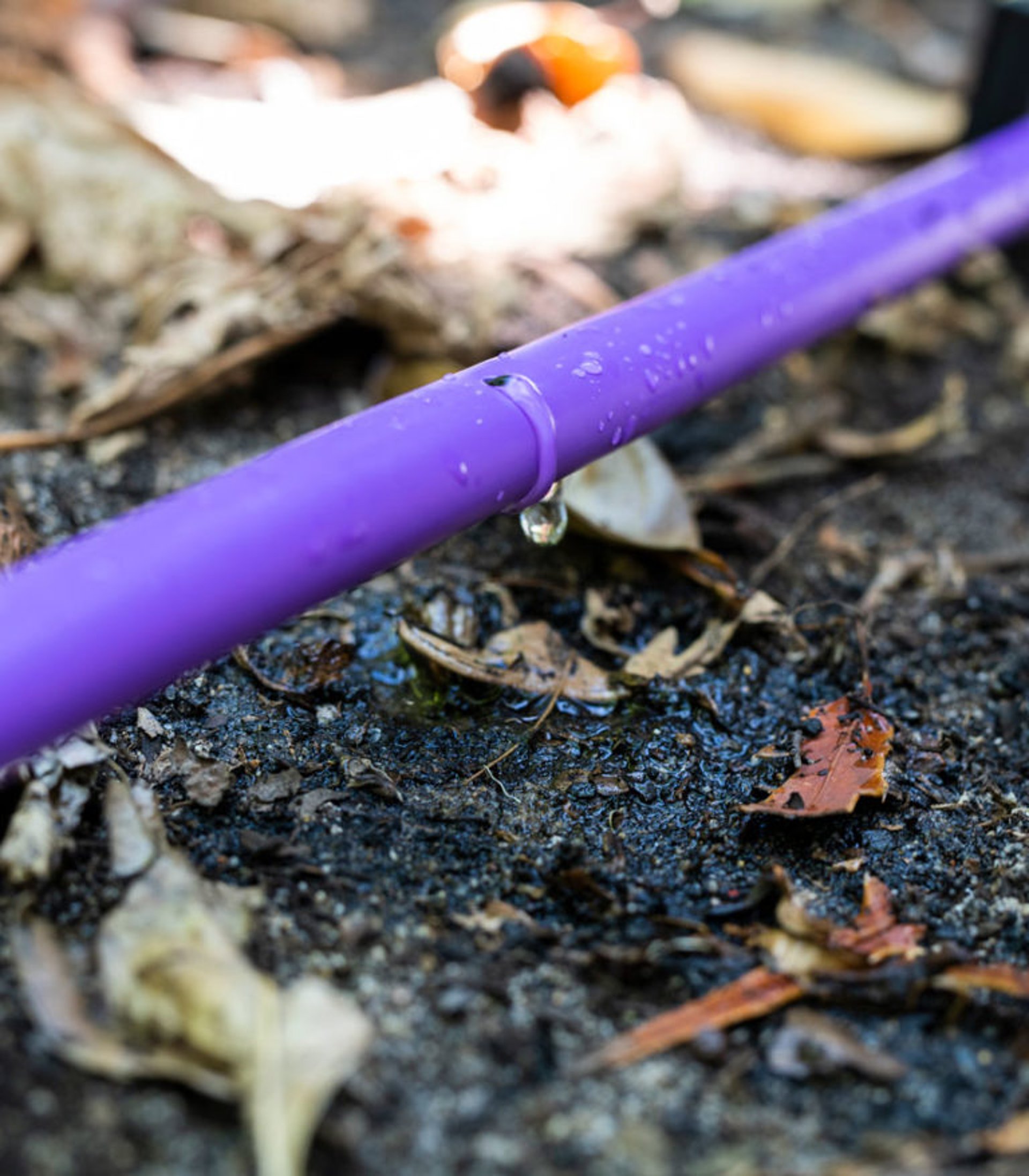
Plumbing controls must meet technical standards, including installation of backflow prevention devices and use of lilac-coloured pipework for recycled water.
Refer to:
Non-drinking water guidelines:
How RWS Can Help
Support with SMRTMP preparation, updates or reviews.